O fim da era da isenção de impostos e como permanecer em conformidade.
Introdução
Durante anos, Portugal foi um "faroeste" para os investidores em criptomoedas. Essa era acabou..
Desde janeiro de 2023, o Autoridade Tributária Portuguesa (AT) implementou um regime tributário rigoroso. As regras não são mais ambíguas. Se você vende criptomoedas por moeda fiduciária, negocia com frequência ou ganha recompensas de staking, você tem uma obrigação tributária.
O risco não está apenas no pagamento de impostos. Estão também as penalidades por incumprimento. Com as novas Partilha de dados à escala da UE (DAC8) e, por meio de relatórios diretos das bolsas de valores, a AT fica sabendo de suas participações antes mesmo de você as declarar.
Este guia explica exatamente como funciona a regra dos 365 dias, quais formulários você deve preencher e como evitar as armadilhas que desencadeiam auditorias.
A regra dos 365 dias: Seu mecânico de isenção
O cerne do sistema português reside na distinção entre especulação a curto prazo e investimento a longo prazo.
Se você mantiver um criptoativo por 365 dias ou mais, o ganho de capital na sua venda é isento de impostos (imposto 0%). Se você o mantiver por menos de 365 dias, o ganho será tributado à taxa fixa 28%.
Essa isenção possui condições rigorosas. Não se trata de uma brecha; é uma regra específica com três ressalvas principais.
1. O relógio reinicia nas trocas.
Este é o erro mais comum. Trocar uma criptomoeda por outra (por exemplo, Bitcoin por Ethereum) é tratado como uma alienação e uma nova aquisição.
- Impacto tributário: A operação de swap em si não é tributada imediatamente. A tributação é diferida até que você venda o ativo por moeda fiduciária.
- Impacto temporal: O relógio de 365 dias zera para o novo ativo. Você perde o tempo de detenção acumulado.
2. O método FIFO é obrigatório.
Você deve calcular os ganhos usando o método Primeiro a Entrar, Primeiro a Sair (FIFO). Ao vender, a lei presume que você está vendendo primeiro as moedas mais antigas da sua carteira. Você não pode optar por vender suas moedas mais novas para preservar o status de longo prazo das mais antigas.
3. A lista antiabuso
A isenção não se aplica se:
- A contraparte está localizada em um paraíso fiscal que consta na lista negra.
- O ativo é legalmente classificado como um valor mobiliário (token de segurança).
- Você não é residente fiscal de um país da UE/EEE ou de uma nação com tratado tributário com Portugal.
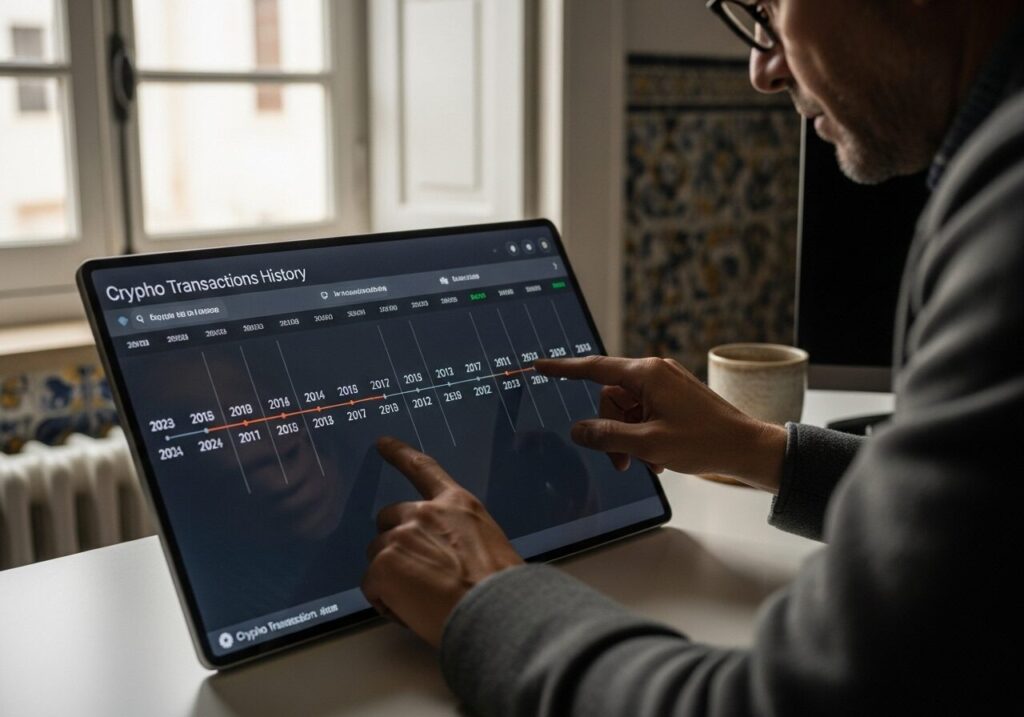
Ação: Analise seu histórico de transações. Identifique quais ativos ultrapassaram o limite de 365 dias sem serem trocados.
As três categorias de impostos
Portugal categoriza os rendimentos em criptomoedas em três tipos. A classificação incorreta de um tipo como sendo outro é um dos principais motivos para a aplicação de multas.
Categoria G: Ganhos de capital (Mais-valias)
Isso se aplica a investidores individuais que vendem em moeda fiduciária.
- Avaliar: 28% em ganhos < 365 dias. 0% em ganhos ≥ 365 dias.
- Relatório: Anexo G (plataformas nacionais) ou Anexo J (plataformas estrangeiras).
- Isenções: Os NFTs estão atualmente excluídos desta categoria para indivíduos.
Categoria B: Renda profissional (Rendimentos empresariais)
Isso se aplica se a negociação for sua atividade principal ou se você minerar criptomoedas.
- Avaliar: Alíquotas progressivas do IRS (de 14,5% a 53%) mais a Previdência Social.
- Regime simplificado: Se você ganha menos de € 200.000, o imposto é calculado sobre uma porcentagem fixa da renda (15% para comércio, 95% para mineração).
- Acionar: Alta frequência de transações, intenção de lucro e dependência dessa renda para subsistência.
Categoria E: Rendimento de investimentos (Rendimentos de capitais)
Isso se aplica a rendimentos passivos, como recompensas de staking, juros de empréstimos ou rendimentos de DeFi.
- Avaliar: Apartamento 28%.
- Tempo: O imposto é devido no momento do recebimento da recompensa, com base no seu valor em moeda fiduciária naquele momento.
- Observação: Diferentemente dos ganhos de capital, não há isenção de 365 dias para a renda da Categoria E.
Ação: Se você trabalha com mineração ou negociação diariamente, registre-se como freelancer (trabalhador independente) para evitar ser auditado por atividades comerciais não declaradas.
Notificação obrigatória: A documentação
Desde 2024, A declaração é obrigatória para todos que possuem criptomoedas, mesmo que não devam impostos. O silêncio não é mais uma opção.
Você deve apresentar a declaração anual. Modelo 3 Declaração de imposto de renda entre 1º de abril e 30 de junho.
Anexo J: A armadilha cambial
A maioria dos investidores em criptomoedas utiliza corretoras estrangeiras como Binance, Kraken ou Coinbase. Essas entidades não possuem um NIF português (número de identificação fiscal).
- Regra: Você deve declarar essas contas e transações em Anexo J (Renda Estrangeira).
- Erro comum: O envio da documentação no Anexo G (Doméstico) em vez do Anexo J é um erro formal que pode resultar em multas.
Anexo G1: Lista de ganhos isentos
Se você vendeu criptomoedas que manteve por mais de 365 dias, não precisa pagar imposto, mas ainda assim deve declarar a venda.
- Onde: Anexo G1 (Ganhos de Capital Não Tributados).
- Por que: Isso comprova a origem dos seus fundos. Se você comprar uma casa posteriormente com lucros de criptomoedas que nunca declarou, a Receita Federal tratará esse dinheiro como “riqueza injustificada” (manifestações de fortuna) e taxá-lo em 60%.
Ação: Baixe agora mesmo seu histórico de transações de todas as corretoras. Não espere até abril.
Fiscalização e penalidades
A Autoridade Tributária Portuguesa não trabalha sozinha. Utiliza a partilha automatizada de dados para detetar discrepâncias.
- DAC8 e CRS: As diretivas da UE obrigam as corretoras a partilhar dados dos utilizadores com as autoridades fiscais. Se tiver uma conta com verificação KYC numa corretora europeia, as Finanças têm conhecimento disso.
- Modelo 59: Os prestadores de serviços de criptomoedas sediados em Portugal devem reportar todas as transações dos clientes diretamente ao Estado até 31 de janeiro.
- Multas: As penalidades por não declarar variam de € 150 a € 3.750. Se o imposto omitido ultrapassar € 15.000, configura crime (fraude fiscal).
Riscos e armadilhas (e como evitá-los)
| Risco | A solução |
|---|---|
| Gastar criptomoedas diretamente | Considere cada compra como uma venda tributável. Calcule o ganho com base no custo de aquisição da criptomoeda. |
| Trocas de criptomoedas | Registre a data de cada troca. Reinicie imediatamente a contagem de 365 dias para o novo ativo. |
| Airdrops e Imposto de Selo | Os airdrops acima de €500 estão sujeitos ao Imposto de Selo 10% (Imposto do SeloApresente este documento separadamente da sua declaração anual do IRS. |
| Imposto de saída | Se você sair de Portugal, poderá ter que pagar imposto sobre ganhos não realizados (“alienação presumida”). Encerre suas posições ou consulte um advogado antes de mudar de residência. |
| Perda do estatuto de residente | Para manter a isenção de 365 dias válida, certifique-se de permanecer residente fiscal em um país da UE ou em um país com o qual a UE tenha tratado. |
Conclusão
A narrativa de "paraíso das criptomoedas" está morta. Portugal agora possui um sistema tributário maduro e com alto índice de conformidade. A regra dos 365 dias é a melhor ferramenta para otimizar a arrecadação de impostos, mas exige registros impecáveis. Se você não puder comprovar a data de aquisição de um ativo, a Receita Federal presumirá que se trata de um investimento de curto prazo e o tributará pelo artigo 28%.
Organize seu histórico de transações hoje mesmo. Se você possui fluxos de renda complexos, como staking ou mineração, não tente adivinhar o que vai ganhar na sua declaração de imposto de renda.
Perguntas frequentes
As criptomoedas serão isentas de impostos em Portugal em 2025?
Apenas se você mantiver o ativo por mais de 365 dias antes de vendê-lo. Os ganhos de curto prazo (mantidos por menos de um ano) são tributados de acordo com o artigo 28%. Recompensas por negociação profissional e staking também são tributadas.
Preciso declarar criptomoedas se não as vendi?
Em geral, não. Manter criptomoedas não é um evento tributável. No entanto, você deve declarar todas as vendas, mesmo que o ganho seja isento de impostos.
Como são tributados os ganhos com staking?
As recompensas de staking são consideradas da Categoria E (Renda de Investimento) e tributadas a uma taxa fixa de 28%. Elas não se qualificam para a isenção de 365 dias.
O que é a regra FIFO?
FIFO significa "First-In, First-Out" (Primeiro a Entrar, Primeiro a Sair). Ao calcular os ganhos, você deve assumir que vendeu primeiro as moedas mais antigas da sua carteira. Isso geralmente ajuda a atingir o limite de 365 dias para isenção de impostos.
Eu pago imposto em transações entre criptomoedas?
Não há imposto a pagar no momento da troca. No entanto, a troca redefine o período de detenção do novo ativo. Você pagará imposto quando finalmente vender esse novo ativo por moeda fiduciária, com base no novo cronograma.
O que acontece se eu usar a Binance ou a Coinbase?
Você deve declarar os rendimentos e ganhos dessas plataformas no Anexo J (Rendimento Estrangeiro) da sua declaração de imposto de renda, pois elas são entidades não portuguesas.
Os NFTs são tributados em Portugal?
Atualmente, os ganhos individuais com a venda de NFTs estão isentos do regime de imposto sobre ganhos de capital. No entanto, se a negociação de NFTs for sua atividade profissional, ela se enquadra na Categoria B.